
Skip to content
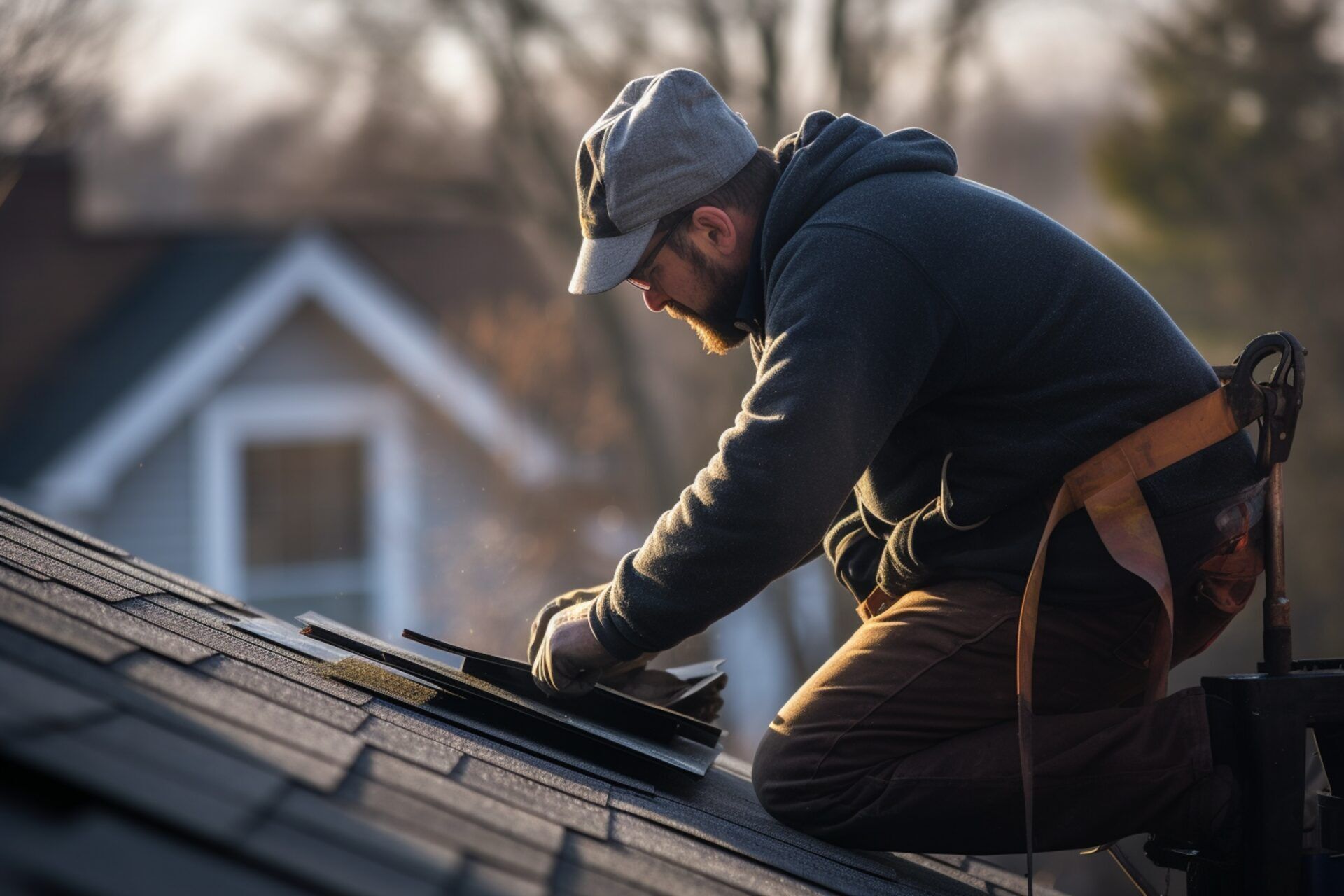
Roofer installing shingles at golden hour in Miami

Common questions

Answers from the crew, not a call center.

Straight answers on roof costs, Florida law, insurance and lifespan — from a licensed Coral Gables contractor. Figures reflect 2026 South Florida data.

01

Best roofing company in Miami

Quick answer

What makes the best roofing company in Miami?

The best roofing company in Miami is one that is fully licensed, bonded, and insured, certified by major manufacturers like GAF, and backed by verified 5-star reviews. Art's Roofing & Construction, based in Coral Gables, holds Florida licenses CCC133598 (roofing) and CBC1265520 (construction), is a GAF Master Elite contractor, and carries a 5.0-star rating across 135+ Google reviews. The company serves Miami-Dade, Broward, and Palm Beach, specializing in tile, metal, shingle, and flat roofs plus hurricane and impact-window protection.

  • What is the best roofing company in Florida?

    In Florida, the best roofing companies share four traits: active state licensing (a CCC or CGC number), manufacturer certifications such as GAF or Owens Corning, proper bonding and insurance, and a documented history of verified 5-star reviews. There's no single universal “best” — the right choice is the licensed, certified contractor with proven experience in your specific county. In South Florida, Art's Roofing & Construction meets each of these benchmarks with a 5.0 rating and tri-county coverage.

  • Who owns the best roofing in Florida?

    Florida's most respected roofing companies are typically owner-operated by licensed general or roofing contractors who stay directly involved in every project. Art's Roofing & Construction, for example, was founded by licensed General Contractor Arturo Stadthagen and is co-led by operations partner Alvaro Rodriguez — two childhood friends from Nicaragua who built the company around a “treat every home like our own” standard. Direct owner involvement is widely seen as a strong signal of accountability and craftsmanship.

  • How to tell if a roofer is lying?

    Warning signs a roofer may be dishonest include pressure to sign immediately, requests for large cash payments upfront, no verifiable license number, vague or verbal-only estimates, “free roof” claims with no real inspection, and refusal to put warranties in writing. A trustworthy roofer gives you a state license number you can verify online, a detailed itemized written quote, proof of insurance, and local references. Always confirm the license at the Florida DBPR before signing.

  • What should you not tell your contractor?

    Avoid revealing your maximum budget before you get an itemized quote, telling them you're in a hurry, or admitting you haven't gathered other bids — each can weaken your position. Don't authorize work or sign over your insurance claim before you fully understand the scope and warranty. Instead, ask for a written, line-itemed estimate and verify license and insurance first.

  • What is the longest lasting roof in Florida?

    Metal and tile are the longest-lasting roofs in Florida. Concrete and clay tile roofs typically last 40–50+ years, and metal roofs last 40–70 years, both holding up well against heat, UV, and hurricane winds — compared with 12–20 years for asphalt shingles in South Florida's climate. Tile and metal are especially popular in Miami for their durability and wind resistance.

02

Roof replacement cost in Miami

Quick answer

How much does a new roof cost in Miami?

A new roof in Miami typically costs $11,000–$17,000 for asphalt shingles, $24,000–$40,000 for metal, and $30,000–$42,000 for tile on a standard 2,000 sq ft roof. Miami sits in a High-Velocity Hurricane Zone (HVHZ), so stricter codes and premium materials push prices above the Florida average of roughly $25,000. Your final cost depends on roof size, pitch, material, and city — Coral Gables and Coconut Grove tend to run higher.

  • How much does it cost to replace a roof on a 2,200 square foot house?

    For a 2,200 sq ft home in Miami, expect roughly $13,000–$20,000 for asphalt shingles and $33,000–$48,000 for tile or metal. Actual roof area usually exceeds floor area by 10–20% because of pitch and overhangs, and Miami-Dade HVHZ code adds cost versus inland Florida. An on-site measurement gives the most accurate figure.

  • How much to replace a shingle roof in Florida?

    Replacing an asphalt shingle roof in Florida generally costs $4.25–$12 per square foot installed, or about $10,000–$18,000 for a typical 2,000 sq ft roof. Architectural (dimensional) shingles cost more than basic 3-tab but last longer. In Miami's HVHZ, prices trend toward the higher end due to stricter wind codes.

  • Is $30,000 too much for a roof?

    $30,000 is reasonable for a tile or metal roof in Miami, but high for standard asphalt shingles, which usually run $11,000–$18,000 on an average home. Whether it's fair depends on the material, roof size, pitch, and HVHZ code upgrades. Always compare itemized quotes from at least two or three licensed contractors before deciding.

  • Does insurance pay for a new roof in Florida?

    Florida homeowners insurance generally pays for a new roof when damage comes from a covered event like a hurricane or storm — not from age or normal wear and tear. Your payout may be actual cash value (depreciated) or full replacement cost depending on your policy and roof age. Roofs 15+ years old may need an inspection showing at least 5 years of remaining useful life to keep coverage.

  • How long does it take to replace a roof in Florida?

    Most Florida residential roof replacements take 1–3 days for shingles and 3–7 days for tile or metal, depending on roof size, complexity, and weather. Permitting and inspections in Miami-Dade can add days to weeks before and after installation, since HVHZ projects require multiple code inspections. The active install itself is usually the shortest part of the timeline.

03

Florida roofing laws & regulations

Quick answer

What is the 25% Rule in Florida?

Florida's 25% Rule historically required that if more than 25% of a roof was repaired or replaced within a 12-month period, the entire roof had to be brought up to current code. Senate Bill 4-D (effective May 2022) added a key exception: if your roof was built or permitted under the 2007 Florida Building Code (March 1, 2009) or later and complies with current code, only the damaged section needs repair. Roofs permitted before March 2009 still fall under the full-replacement requirement.

  • What is the 25% rule for roofing?

    Under Florida's 25% rule, repairing or replacing more than 25% of a roof section within a year once triggered a full, code-compliant replacement. SB 4-D (2022) eased this for roofs built to the 2007 code or later (post-March 2009): only the damaged area must be brought up to current standards, as long as the rest of the roof remains compliant. The rule is meant to phase out older, weaker roofing over time.

  • What is the 15 year roof rule in Florida?

    Florida's 15-year roof rule (Statute 627.7011) prevents insurers from refusing or non-renewing a policy solely because a roof is under 15 years old. For roofs 15+ years old, homeowners can submit a licensed inspection certifying at least 5 years of remaining useful life, and the insurer must continue coverage. A 2026 update extends this protection to all residential property policies and allows a roof-coating system that adds 5+ years of life to qualify.

  • What is the new law on roof replacement in Florida?

    The most significant recent change is Senate Bill 4-D (2022), which created an exception to the 25% Rule so roofs meeting the 2007+ Florida Building Code can be partially repaired instead of fully replaced. Related reforms (SB 2-A) banned Assignment of Benefits (AOB) for roofing claims and reinforced that insurers can't drop a policy on roof age alone if an inspection shows 5+ years of life. Effective July 2026, these protections expand further across all residential policies.

  • Does a 20-year-old roof need to be replaced?

    A 20-year-old roof doesn't automatically need replacement, but in Florida it's often near or past the end of its service life — especially asphalt shingles, which last 12–20 years. Many insurers require an inspection at this age and may decline coverage without proof of 5+ years of remaining life. Tile and metal roofs can last far longer but still need a documented condition inspection.

  • How often should I get a roof replacement in Florida?

    In Florida, asphalt shingle roofs typically need replacement every 12–20 years, while tile and metal roofs last 40–70 years. The right interval depends on material, installation quality, storm exposure, and insurance requirements rather than a fixed schedule. Annual inspections — and one after every major storm — help you replace at the right time.

04

Roof insurance claims in Florida

Quick answer

How do you file a roof insurance claim in Florida?

To file a roof insurance claim in Florida, document the damage with photos, get a licensed roofing inspection, and report it to your insurer promptly — covered claims come from sudden events like hurricanes or storms, not from age or wear. Note that Assignment of Benefits (AOB) is now banned for roofing claims under SB 2-A, so homeowners file and manage claims directly. Your payout depends on whether your policy is replacement cost value or actual cash value.

  • What should you not say to a roof insurance adjuster?

    Avoid admitting fault, guessing at the cause or date of damage, calling the roof “old” or saying it “already leaked,” or accepting the first settlement offer on the spot. Don't downplay or speculate about damage — stick to documented facts. It's smart to get your own licensed roofing inspection before the adjuster's visit so you can compare assessments.

  • What is the Florida $10,000 grant for homeowners?

    The Florida $10,000 grant refers to the My Safe Florida Home (MSFH) program, which provides matching grants of up to $10,000 for hurricane-hardening upgrades like impact windows, roof reinforcements, and shutters. The state matches $2 for every $1 you spend (a $15,000 project earns the full $10,000), and qualifying low-income homeowners can receive up to $10,000 with no match. The 2025–2026 cycle prioritizes low- and moderate-income homeowners; homes must generally be built before 2008 and insured at $700,000 or less.

  • Does homeowners insurance pay for a new roof in Florida?

    Florida insurance pays for a new roof when damage is caused by a covered event such as a hurricane — not age or wear. Payout is replacement cost value or actual cash value depending on your policy, and roofs 15+ years old may require an inspection showing 5+ years of remaining life. Wear-and-tear and neglect are excluded.

  • How can I tell if a roofer is lying about insurance work?

    Red flags include high-pressure sales, large cash deposits upfront, no verifiable license, verbal-only estimates, “free roof” pitches, and no written warranty. A trustworthy roofer provides a verifiable state license, an itemized written quote, proof of insurance, and references. Because AOB is now banned for roofing claims, be wary of anyone asking you to sign over your claim.

05

Roof lifespan & maintenance

Quick answer

How long do roofs last in Miami?

In Miami, asphalt shingle roofs typically last 12–20 years, metal roofs 40–70 years, and tile roofs 40–50+ years. The region's intense UV, heat, salt air, and hurricanes push lifespans toward the lower end, especially for shingles. Regular maintenance and post-storm inspections help a roof reach its full expected life.

  • Which roof material lasts longest in Florida?

    Metal (40–70 years) and tile (40–50+ years) are the longest-lasting Florida roofs, far outlasting asphalt shingles (12–20 years) and standing up better to heat, UV, and hurricane winds. In Miami's HVHZ, both are popular for their wind resistance as well as their longevity.

  • Does a 20-year-old roof in Florida need replacing?

    Not automatically — but a 20-year-old roof in Florida is often near the end of its life, and insurers may require an inspection showing 5+ years of remaining life to keep coverage. Asphalt shingles at 20 years are usually due; tile and metal can have years left but still need a documented condition inspection.

  • How can I make my Miami roof last longer?

    An annual inspection, plus one after every major storm, is the single best way to extend a Miami roof's life — catching loose tiles, lifted shingles, sealant failures, and clogged drains before they become leaks. Keep gutters and valleys clear, trim overhanging branches, and address minor repairs promptly. Material matters too: tile and metal tolerate Miami's UV, heat, and salt air far better than shingles.

06

Roof value & home improvement

Quick answer

What color roof increases home value?

Neutral, light-to-medium roof colors — gray, weathered wood, charcoal, and earth tones — tend to increase home value most because they appeal to the widest range of buyers and complement many exteriors. In hot climates like Miami, lighter “cool roof” colors also boost energy efficiency, an added selling point. The best choice coordinates with your home's exterior and neighborhood while staying broadly appealing.

  • Does a new roof increase home value in Florida?

    Yes — a new roof is one of the highest-return home improvements in Florida, typically recovering a large share of its cost at resale and often more in insurability. Beyond resale value, a new code-compliant roof lowers insurance premiums, prevents non-renewal, and reassures buyers in a hurricane-prone market. In South Florida, a recent roof can be the deciding factor in closing a sale.

  • Is a $30,000 roof worth it for resale?

    For a tile or metal roof in Miami, $30,000 is a reasonable investment that pays back in resale value, lower premiums, and insurability; for standard asphalt shingles it's on the high side ($11,000–$18,000 on an average home). Worth depends on material, size, pitch, and HVHZ code upgrades — always compare itemized quotes from licensed contractors.

  • Which roof type holds its value best in Florida?

    Metal and tile roofs hold their value best in Florida because they last 40–70 years, resist hurricane winds, and signal long-term durability to buyers and insurers. Their longer lifespan (versus 12–20 years for shingles) means a buyer inherits more remaining useful life, which supports both resale price and insurability.

07

Best time to replace a roof

Quick answer

What is the cheapest time of year to get a new roof?

Late winter and early spring (roughly January–April) are usually the cheapest times to replace a roof in Florida, when demand is lower before hurricane season and after the year-end rush. Booking in the off-season can mean better pricing and faster scheduling. Avoid the period right after major storms, when both prices and wait times spike.

  • When is the cheapest time to replace a roof in Miami?

    In Miami, late winter to early spring (January–April) is typically the cheapest window, ahead of hurricane season and after the holiday slowdown. Post-storm peaks — late summer through fall — are the most expensive and the slowest to schedule because demand surges. Booking off-season can lock in better pricing and quicker installation.

  • How long does a roof replacement take in Miami-Dade?

    Most Miami-Dade residential roof replacements take 1–3 days for shingles and 3–7 days for tile or metal, depending on size, complexity, and weather. Because Miami-Dade is an HVHZ, permitting and multiple code inspections can add days to weeks before and after the install. The hands-on installation is usually the shortest part of the timeline.

  • Should I wait until after hurricane season to replace my roof?

    It's usually better to replace your roof before hurricane season, not after — a new code-compliant roof gives you maximum storm protection, and off-season pricing (January–April) tends to be lower with faster scheduling. Waiting until after a storm puts you in the busiest, most expensive period, often with long waits. If your roof is already failing, don't delay through a season of exposure.

Ready for a roof that lasts?

Free, no-pressure estimate. We measure, photograph and walk you through every option.

Request your free estimate
Free Quote

Free estimate in 1 minute

Answer a few quick questions and we’ll reach out.

Step 1 of 5
What do you need?